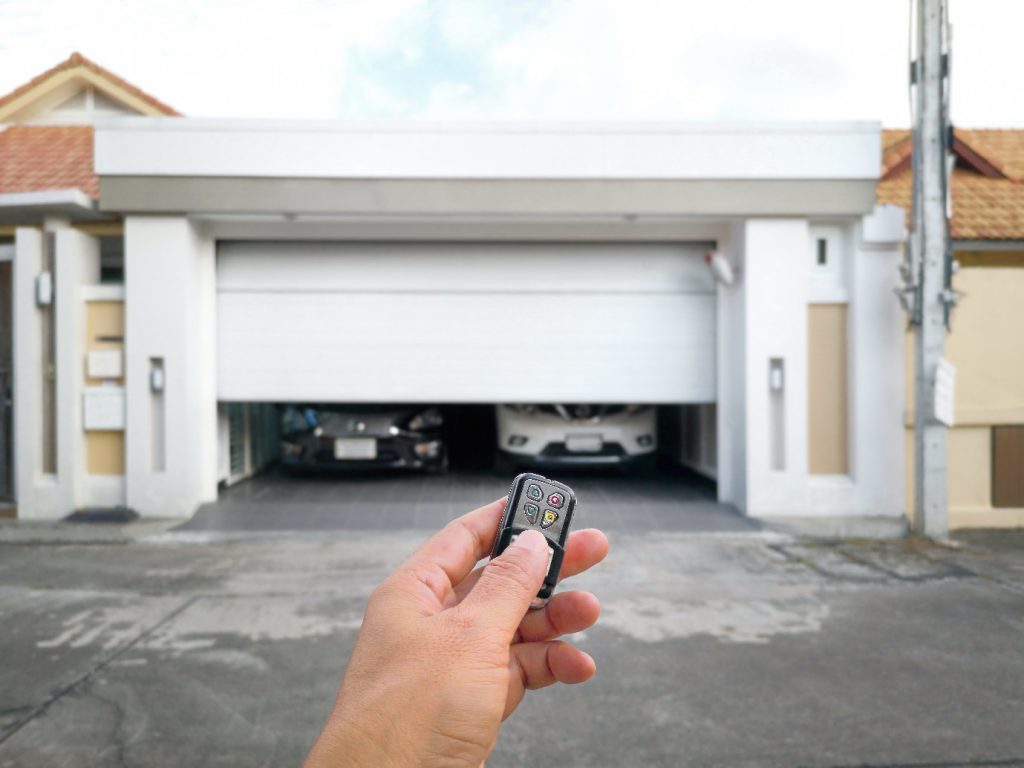
A garage door opener is an essential component of modern homes, providing convenience and security. However, like any mechanical device, it will eventually wear out or become outdated. Knowing when to replace your garage door opener can save you from potential inconveniences and safety risks. This guide outlines the key signs and considerations for determining when it’s time for a replacement.
Safety Concerns
Lack of Safety Features
– Absence of Modern Safety Mechanisms:
Older garage door openers may lack crucial safety features such as automatic reversal mechanisms, which are now standard in newer models. These features are essential for preventing accidents and injuries.
– Non-Compliant with Current Standards:
Ensure your garage door opener complies with current safety standards. If not, it’s advisable to replace it with a model that meets or exceeds these requirements.
Malfunctioning Sensors
– Faulty Photoelectric Sensors:
Sensors are designed to detect objects in the door’s path and prevent closure. If these sensors malfunction, the door may close on objects or people, posing significant safety risks.
– Frequent Sensor Failures:
Consistent issues with sensors misaligning or failing to detect obstructions suggest it’s time for an upgrade to a more reliable system.
Technological Advancements
Smart Home Integration
– Compatibility Issues:
Older openers might not be compatible with modern smart home systems. Upgrading allows you to integrate your garage door opener with home automation systems, providing remote access and monitoring capabilities.
– Advanced Features:
Newer models offer features such as smartphone control, voice activation, and real-time notifications, enhancing convenience and security.
Improved Security Features
– Rolling Code Technology:
Modern openers use rolling code technology that changes the access code with each use, significantly enhancing security. If your current opener lacks this feature, it’s time to consider an upgrade.
– Enhanced Locking Mechanisms:
Advanced openers come with improved locking mechanisms that provide better protection against break-ins.
Performance Issues
Slow Operation
– Delayed Response:
If your garage door opener is slow to respond to commands, it can be frustrating and indicate that the motor or other components are wearing out.
– Inconsistent Performance:
Fluctuating performance, where the door operates smoothly one day and struggles the next, suggests the opener is nearing the end of its lifespan.
Noisy Operation
– Excessive Noise:
While some noise is normal, excessive or unusual sounds during operation can indicate motor problems or worn-out parts. Newer models are designed for quieter operation, making them more suitable for homes with attached garages.
– Disturbances to Household:
If the noise is disturbing your household or neighbors, upgrading to a quieter model can resolve this issue.
Energy Efficiency
High Energy Consumption
– Increased Utility Bills:
Older garage door openers tend to be less energy-efficient. If you notice an increase in your energy bills, your opener might be consuming more power than necessary.
– Energy-Efficient Models:
Newer models are designed with energy efficiency in mind, reducing electricity consumption and lowering utility costs.
Replacing your garage door opener at the right time can enhance safety, security, and convenience, while also providing access to the latest technological advancements. By paying attention to signs of malfunction, safety concerns, performance issues, and technological advancements, you can ensure your garage door operates smoothly and efficiently. Regular maintenance and timely upgrades are key to maintaining a safe and functional garage door system.